


fbpx

We will make a $100 Donation

To Any of the Following Charities On Your Next Service!

Enter your details below for us to send your voucher. Included is a Free One Year Costco membership or $50 Costco Gift Card!

A-TEAM Contracting

Category: Roofing

5 Tips for Maintaining Your Roof to Ensure Longevity and Protection

Introduction

A roof is an essential part of any home, providing protection from the elements and insulation for the interior. However, like any other structure, a roof requires regular maintenance to ensure its longevity and effectiveness. As a homeowner, it’s important to understand the basics of roof maintenance, and in this blog post, we will discuss five tips for maintaining your roof to ensure longevity and protection.

Tip #1: Regular Inspections

Regular inspections are crucial for maintaining the integrity of your roof. During an inspection, a professional will look for signs of wear and tear, such as missing or cracked shingles and identify any potential problems that need to be addressed. An inspection should be conducted at least once a year, but it’s also a good idea to have an inspection done after a severe storm or other natural events. By catching potential problems early, you can save yourself thousands of dollars in repairs down the road.

Tip #2: Cleaning and Maintenance

Keeping your roof clean and well-maintained is another crucial step in ensuring its longevity. A build-up of leaves, branches, and other debris can trap moisture on your roof, leading to leaks and other problems. Additionally, moss and algae can grow on the shingles, weakening the structure and making it more vulnerable to damage. Regularly cleaning your roof, removing debris, and treating moss and algae can help keep your roof in good condition.

Tip #3: Proper Attic Ventilation

Proper ventilation in your attic is essential to maintaining the longevity of your roof. A well-ventilated attic prevents the buildup of heat and moisture, which can lead to mold and rot. Proper ventilation also helps to ensure that your attic is insulated properly, which can help reduce your energy bills. If you’re not sure if your attic is properly ventilated, it’s best to have a professional take a look.

Tip #4: Trim Trees and Remove Debris

Keeping trees trimmed and removing debris is important to maintaining the longevity of your roof. Trees that grow too close to the roof can cause damage to the shingles, and can also provide a pathway for animals and insects to enter your home. Additionally, leaves, branches, and other debris can trap moisture on your roof, leading to leaks and other problems. By regularly trimming trees and removing debris, you can help protect your roof and keep it in good condition.

Tip #5: Repair and Replacement

Repairs and replacements are an inevitable part of maintaining your roof. It’s important to address any problems that are identified during an inspection, such as missing or cracked shingles, as soon as possible. By making repairs in a timely manner, you can prevent small problems from becoming big ones. Additionally, knowing when to replace your roof is also crucial. The lifespan of a roof varies depending on the type of shingles but typically ranges from 20-25 years. It’s best to consult a professional for guidance on when your roof needs to be replaced.

Conclusion

A roof is an essential part of any home, and proper maintenance is crucial to ensure its longevity and protection. By implementing these five tips, you can help keep your roof in good condition and save yourself thousands of dollars in repairs down the road. Regular inspections, cleaning and maintenance, proper attic ventilation, trimming trees and removing debris, and timely repairs and replacement can all help to ensure the longevity of your roof. If you’re not sure how to maintain your roof, or if you’re experiencing problems, it’s best to consult a professional.

In summary, taking care of a roof is a crucial part of maintaining your home, and regular inspection, cleaning, proper ventilation, trimming trees, and making timely repairs and replacements are all key factors in ensuring the longevity and protection of your roof.

If you’re not sure how to maintain your roof or if you’re experiencing any problems, Contact us for professional advice.

How to Clean and Prevent Roof Moss

Moss can be a nuisance for homeowners, especially when it grows on roofs. Moss can cause roof leaks and damage the shingles, so it’s important to clean and prevent it from growing in the first place. In this article, we will discuss how to clean and prevent roof moss using common household products and natural methods.

What is roof moss, and why does it grow on roofs?

What is roof moss, and why does it grow on roofs? Roof moss is an algae-like plant that grows on roofs and is most common in humid climates. It has small, fuzzy leaves that are green or gray in color. Moss thrives in moist conditions, such as when it finds itself stuck between shingles and growing across the roof’s surface. When left unchecked, roof moss can cause damage to shingles and even lead to roof leaks.

How to clean roof moss using common household products

Cleaning moss on the roof is an important part of keeping your home in top shape. The most common and effective method for removing moss from a roof is using chemical solutions.

First, you need to mix up a solution of either bleach or vinegar with water in a pump sprayer. Once you have your solution, you can start spraying it on the affected area of the roof. Make sure to apply an even layer and leave it until it dries. After this, use a hard brush or a pressure washer to scrub away any stubborn moss.

Be careful when using chemical solutions, as they can be dangerous if not handled properly. Wear protective clothing such as goggles and gloves, and never use these solutions on a windy day. Always read the instructions on the package carefully before using any product.

Once you have finished cleaning your roof of moss, it is important to take preventative measures as well. This will stop moss from growing back in the future, saving you time and effort down the line.

How to prevent roof moss from growing in the first place

How to prevent roof moss from growing in the first place? The best way to prevent moss from growing on roofs is to provide proper ventilation and insulation, install zinc or copper strips near the roof line, and keep gutters clean.

Ventilation: Proper air circulation helps reduce condensation on roofs that can lead to moss growth. Make sure the attic has enough vents to allow hot air out of the attic and cooler air in.

Insulation: Insulation also helps keep the roof cool by blocking out heat from the sun. This reduces condensation and keeps the environment less hospitable for moss to grow.

Zinc or copper strips: Installing zinc or copper strips near the roof line can help prevent moss growth by creating an environment that is less hospitable. The metal releases ions into the air that help prevent moss from growing.

Gutters: Keeping gutters clean and free of debris helps reduce the amount of water that accumulates on roofs, which can be conducive to moss growth. Make sure to keep your gutters clear so they can do their job properly.

By following these tips, you can help prevent moss from growing on your roof and protect it from damage. In addition, regularly inspecting the roof and cleaning off any existing moss with a brush is important to maintain its health. If all else fails, consult a professional to help address the issue more effectively.

Conclusion

Moss can be a nuisance for homeowners, especially when it grows on roofs. Moss can cause roof leaks and damage the shingles, so it’s important to clean and prevent it from growing in the first place. In this article, we have discussed how to clean and prevent roof moss using common household products and natural methods.

By following these tips, you can help keep your roof healthy and free of moss. Remember to regularly inspect your roof and clean off any existing moss. If you need roof maintenance of roof replacement, do not hesitate to Contact us for professional advice!

The Top 5 Questions to Ask Your Roofer

Replacing your roof is a big decision. It’s not one to be taken lightly, as it can be expensive and time-consuming. But it’s also a necessary one, as roofs don’t last forever. So how do you go about choosing the right roofing contractor to do the job?

It can be tricky, as there are a lot of them out there. And not all of them are created equal-some are more reputable than others, and some will take advantage of you. That’s why it’s important to ask the right questions before signing any contracts!

What to look for in a roofing contractor?

It is important to know what qualifications to look for in a roofing contractor. You want to make sure the contractor is accredited, licensed, insured, and trained appropriately. Ask the contractor:

1. Do they belong to any professional associations or have any certifications?

These can attest to their level of expertise. Checking online reviews of the contractor’s past work can also help to give you a better idea of the quality of their work.

2. What is their experience?

It’s important to find out how long the contractor has been in business and what kind of roofing projects they have worked on in the past. If possible, try to get some references from previous customers who can speak to the quality of their work.

3. What material do they use?

Different types of roofing materials have different advantages and disadvantages, so make sure you understand what type of materials will be used for your project. Ask your contractor if they are familiar with the latest technologies and options that are available in terms of roofing materials.

4. What warranties do they offer?

It is important to know what kind of warranties the contractor will provide for the work they’re doing. Look for long-term guarantees that cover at least 10 years for both materials and labor. Make sure you get all of these details in writing before signing any contracts.

5. How much will the job cost?

Of course, price is always a consideration when it comes to any kind of home improvement project. Make sure you understand the prices of materials and labor before signing a contract with your roofing contractor. Ask for an itemized list of costs to make sure there are no hidden fees or surprises.

Conclusion

Having a solid roof over your head is not only important for protecting you and your family from the elements, but it can also significantly increase the value of your home. Therefore, when it comes time to replace your roof or do any kind of roofing work, you want to make sure that you are hiring a reputable contractor who can do the job right. Asking the right questions before signing any contract is absolutely essential if you want to make sure that you get the best possible deal.

This is why it’s important to know what questions to ask when hiring a roofer and to make sure that all of your expectations are clearly understood before signing any contracts. In the end, you will be glad that you did!

If you have any questions or concerns, do not hesitate to Contact us for professional advice.

Why Roof Maintenance and Inspection are important?

Your roof is one of the most important parts of your home. A well-maintained roof is essential for protecting your home from the elements. By regularly inspecting and maintaining your roof, you can help ensure its longevity and prevent costly repairs down the road. This blog post will provide a basic overview of roof maintenance and inspection, as well as tips on how to keep your roof in good condition.

Importance of Roof Maintenance and Inspection

If you don’t maintain your roof, it can lead to a number of problems. The roof can start to leak, which can cause water damage to the inside of your home. The roof can also become damaged, which can lead to big repairs or even a replacement.

That’s why it’s so important to have regular roof maintenance and inspections. A professional can check for any damage or problems and fix them before they become bigger issues. They can also recommend any necessary repairs or replacements so that you can stay ahead of any potential problems. Make sure to schedule them regularly to ensure that your roof is in good condition.

When to inspect your roof for damage

Damage to your roof can go undetected for a long time. It is important to inspect it regularly for damage so that you can fix it before it becomes a bigger and more expensive problem. If you’re on the fence about whether or not to schedule a roof inspection, consider the following reasons why you should:

  1. Missing Shingles or Leaking Roof: One of the most obvious signs of a damaged roof is missing shingles or visible leaks. Inspecting your roof at least once a year is important, as missing shingles can be caused by wind, hail, extreme weather conditions, or age.
  2. After a Major Storm: After a major storm, it is important to inspect your roof for any signs of damage. Early detection can help you to avoid more costly repair or replacement costs in the future. If necessary, hire a professional roofing contractor to take a closer look and advise on the best course of action.
  3. Before Winter: It is important to inspect your roof before the cold winter months arrive. This will help to ensure that your roof is in good condition and can withstand the harsh winter weather. Pay close attention to caulking, flashing, vents, and other areas around the roof where water could enter during snow or ice storms.
  4. When Your Roof is Over 10 Years: If your roof is over 10 years old, it is time to consider an inspection. Depending on the material and its current condition, a roof could last up to 25 or 30 years. However, regular inspections are highly recommended to identify any potential repair needs before they become too costly or dangerous.
  5. Before You Buy a House: When buying a house, it is important to have the roof professionally inspected. This will help to ensure that there are no underlying issues or potential repair needs. A qualified inspector can assess the condition of the roof and provide you with an accurate report of their findings.

Conclusion

Regular inspections can help to identify any potential issues before they become more costly problems. By staying on top of your roof maintenance, you will be able to keep it in great condition for years to come. If you have any questions or concerns, do not hesitate to Contact us for professional advice.

When Is The Best Time To Repair Your Roof?

No one likes to think about roofing repairs, but the sooner you plan for them, the better. There are certain times of the year when roofing repairs are more affordable and less disruptive, so it’s important to know when those times are. Keep reading for more information on roofing repairs and when is the best time to plan for them.

Why are roofing repairs necessary?

Roofing repairs are necessary to keep your home and family safe from the elements. A roof that is in need of repair can allow water and pests into your home, which can cause extensive damage over time. It is important to take care of any roofing repairs as soon as you notice a problem to prevent any further damage.

When is the best time to plan for roofing repairs?

The most common times of year for roofing repairs are spring and fall. This is because these are the times of the year when most people do their yearly maintenance on their homes, including inspecting and repairing their roofs. However, there are always exceptions, so it is important to check with your roofing contractor to find out when they recommend you get your roof repaired.

What are the benefits of planning for roofing repairs ahead of time?

One of the biggest benefits of planning for roofing repairs ahead of time is that you can save money. Many roofing contractors offer discounts if you schedule repairs during certain times of the year. The weather is also a factor to consider. Roofing repairs are typically more expensive and disruptive when it’s cold or wet outside. So, if you know that your roof needs repairs, try to schedule them for a time when the weather is milder.

Another benefit of planning for roofing repairs ahead of time is that it can help you avoid bigger problems in the future. A small leak in your roof can turn into a big problem if it’s not fixed quickly.

Finally, planning for roofing repairs ahead of time can help you avoid stress and disruption. If your roof leaks or needs other repairs, it can be disruptive to your everyday life. Scheduling repairs ahead of time can help minimize the amount of disruption they cause.

How can you prevent roofing problems from happening in the first place?

One of the best ways to prevent roofing problems from happening is to have regular inspections done by a professional. They can check for any potential issues and address them before they become bigger problems. You should also make sure to keep your roof clean and free of debris, as this can also lead to problems.

In addition to regular inspections and cleaning, you should also check for any signs of wear and tear on your roof. If you notice a loose shingle or missing caulk, be sure to have it addressed as soon as possible.

Finally, if you live in an area with extreme weather conditions, be sure to take extra care of your roof. Make sure that it is properly rated for the climate and use proper materials when replacing or repairing shingles. Doing so can help you save money on repairs and make sure that your roof is prepared for any type of weather.

Conclusion

Roofing repairs are a necessity that everyone has to face at some point in their lives. However, by taking preventative measures and planning, you can ensure that they are as inexpensive and easy as possible. With the right preparation and knowledge, you can keep your roof looking great for years to come.

If you’re unsure whether you manage your roof leaks, it’s always best to consult a professional roofing contractor. They will be able to assess the damage and give you their expert opinion on the best course of action. At A-Team Roofing & Solar, we are here to help you with your roof. Contact us today! We pride ourselves on our quality workmanship and customer service.
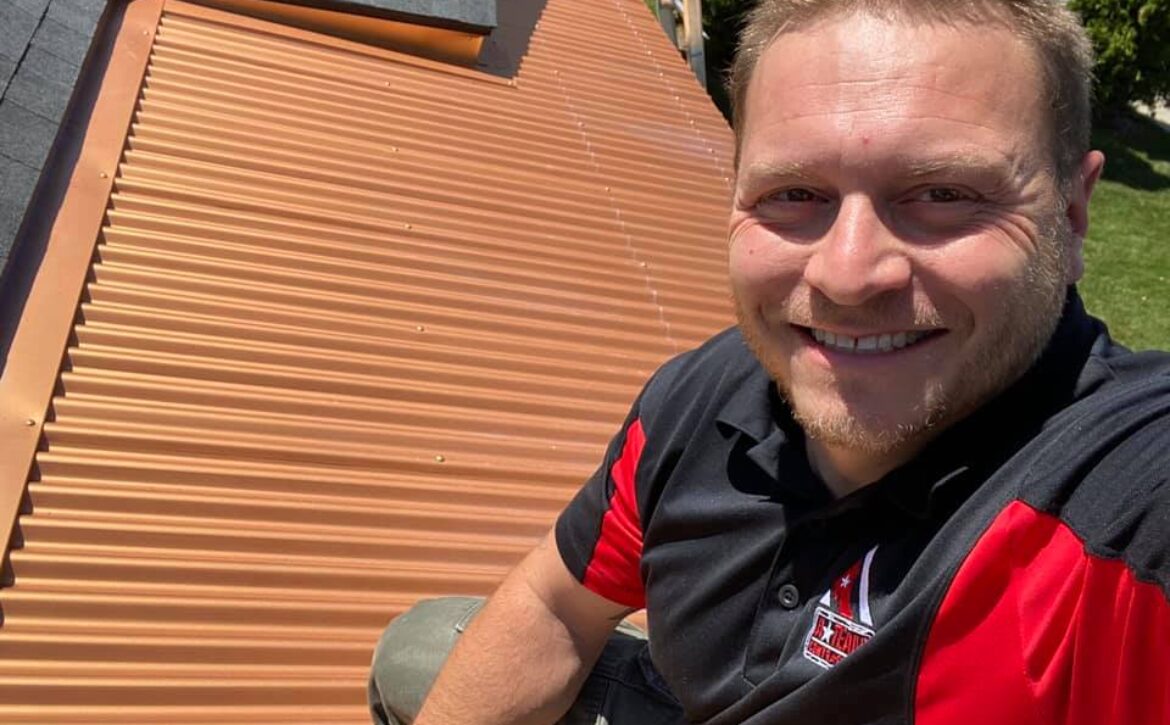
10 Common Causes of Roof Leaks

Roof leakage is a common and costly problem for homeowners. In this article, we will explore the most common causes of roof leakage, so that you can be better prepared to deal with this issue if it arises.

1. Improper Roofing Installation – One of the most common causes of roof leaks is improper installation. If the roof isn’t installed correctly, it can lead to water seeping in and causing damage to the home.

2. Damaged Roofing Material – Another common cause of roof leaks is damage to the roofing material. If the shingles or tiles are broken or missing, it can allow water to seep in and cause damage.

3. Clogged Gutters – Clogged gutters can also lead to roof leaks, as they can cause water to back up and overflow onto the roof.

4. Defective Roofing Material – Roofing material that is defective or that has been installed incorrectly is also a common cause of roof leaks.

5. Poor Roof Maintenance – Roofs that aren’t properly maintained can also be more susceptible to leaks. If leaves or other debris are allowed to accumulate on the roof, it can create a perfect environment for mold and mildew growth, which can lead to water leakage.

6. Roof Age – Older roofs are more likely to experience roof leaks, as they may have started to wear down and deteriorate over time.

7. improperly Installed Chimney flashing – A improperly installed chimney flashing is another common cause of roof leaks. This occurs when the flashing around the chimney is not properly sealed, which can allow water to leak into the home.

8. Ice Dams – Ice dams are another common cause of roof leaks, as they can cause water to back up and seep into the home through the eaves and gables.

9. Hail Damage – Hail damage can also lead to roof leaks, as it can damage the shingles or tiles and allow water to seep in.

10. Wind Damage – Strong winds can also cause damage to the roof and lead to leaks. Winds can cause shingles or tiles to be blown off, which can leave gaps that allow water to seep in.

How to Prevent Roof Leaks

One of the best ways to prevent roof leaks is to regularly check your roof for damage and repair any problems you find. You should also keep trees and other plants trimmed back from your home, as their branches can damage your roof. Roofing tar or sealant can also help to prevent leaks, so be sure to apply it to your roof every few years. If a leak does occur, be sure to address it as soon as possible to avoid further damage.

Conclusion

Roof leaks can be caused by a variety of factors, from damage to the roofing material itself to improper installation or maintenance. In this article, we have explored 10 of the most common causes of roof leaks. By being aware of these potential problems, you can take steps to prevent them and protect your home from water damage.

If you’re not sure whether you manage your roof leaks, it’s always best to consult with a professional roofing contractor. They will be able to assess the damage and give you their expert opinion on the best course of action. At A-Team Roofing & Solar, we are here to help you with your roof. Contact us today! We pride ourselves on our quality workmanship and customer service.
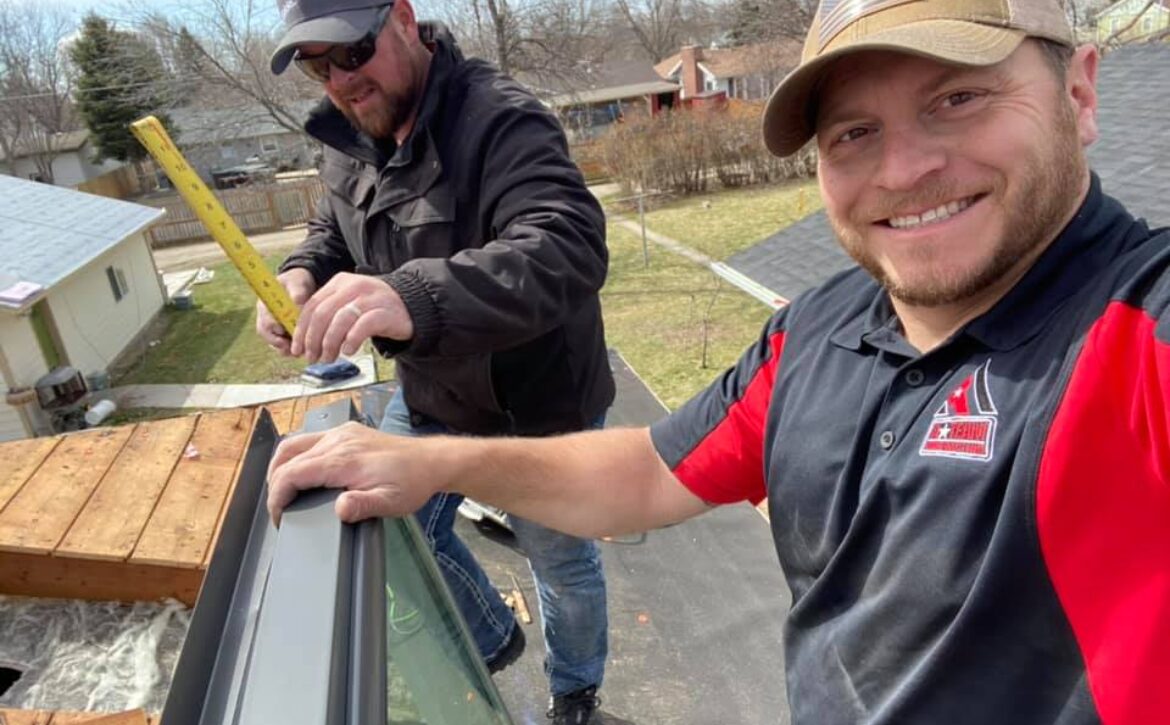
The Difference Between Roof Repair and Roof Replacement

Roof repair and roof replacement are two different services that homeowners might need at some point. Roof repair is typically less expensive and less time-consuming, while roof replacement is more costly but results in a completely new roof. It’s important to know the difference so that you can make the best decision for your home.

What is roof repair and what is roof replacement

Roof repair is the process of fixing damage or leaks on a roof. This can involve replacing shingles, fixing flashing, and repairing fascia boards. Roof replacement, on the other hand, is the complete removal of an existing roof and the installation of a new one. This is typically done when the roof is severely damaged and needs to be replaced entirely.

When deciding whether to repair or replace your roof, it’s important to consider the age of your roof, the extent of the damage, and your budget. If your roof is old and needs to be replaced anyway, it might make more sense to do a complete replacement rather than just repair the damage. However, if you can’t afford a complete replacement, roof repair might be the best option.

The benefits of roof repair

The are a couple of benefits of roof repair that you might consider:

  • Roof repair is typically less expensive than roof replacement.
  • Roof repair is a more time-consuming and labor-intensive process than roof replacement.
  • Roof repair can extend the life of your roof.
  • Roof repair will fix any leaks or problems with your roofing system.
  • Roof repair is a more environmentally friendly option than roof replacement.

The benefits of roof replacement

Replacing your roof is a big decision, but it can offer a number of benefits that make it well worth the investment. Here are some of the top reasons to consider roof replacement:

1. A new roof can improve your home’s energy efficiency: you may be able to save up to 20% on your energy bill with a new roof.

2. A new roof can increase your home’s value: If you ever decide to sell your home, a new roof can increase its value by up to 10%.

3. A new roof can improve your home’s appearance: A brand new roof can completely transform the look of your home, making it look newer and more attractive.

4. A new roof can protect your home from damage: A new roof will better protect your home from the elements and help keep it in good condition for years to come.

5. A new roof can last for decades: With proper care and maintenance, a new roof can last for 20 to 30 years. This makes it a wise investment that can save you money in the long run.

Conclusion

Roof repair is typically less expensive and less time-consuming, while roof replacement is more costly but results in a completely new roof. It’s important to know the difference so that you can make the best decision for your home.

If you’re not sure whether you need roof repair or replacement, it’s always best to consult with a professional roofing contractor. They will be able to assess the damage and give you their expert opinion on the best course of action. At A-Team Roofing & Solar, we are here to help you with your roof. Contact us today! We pride ourselves on our quality workmanship and customer service.

How to keep your roof safe from fire damage

No one ever expects their home to catch on fire, but it can happen to anyone, at any time. In order to decrease your risk of fire damage, it’s important to be aware of the potential hazards in your home and take steps to prevent them.

The importance of keeping your roof safe from fire damage

A fire on your roof can be a devastating event. Not only can it cause significant damage to your home, but it can also be very dangerous. In order to decrease the risk of fire damage on your roof, it is important to regularly check and take steps to prevent them from occurring.

Top Causes of Roof Fire 

One of the most common causes of roof fires is leaves and debris buildup. When these materials accumulate on your roof, they can create a fire hazard by blocking the airflow and trapping heat.

Another common cause of roof fires is improper wiring. If you have any exposed wires on your roof, they could easily start a fire if they come into contact with moisture or debris.

In addition to taking steps to prevent fires from happening in the first place, it’s important to have a plan in place for what to do if a fire does break out. Make sure you have a working fire extinguisher on hand, and know how to use it properly. If the fire is too large for you to handle on your own, be sure to evacuate your home immediately and call the fire department.

Tips for preventing fire damage to your roof

There are a few things you can do to help prevent fire damage to your roof:

1. Regularly check your roof for any potential fire hazards and take steps to remove them promptly. Make sure there are no leaves or debris buildup, and that your gutters are clean and clear.

2. Be sure to properly seal any exposed wiring and keep it away from potential sources of ignition.

2. Have a fire extinguisher on hand in case of an emergency.

3. Always be aware of your surroundings when cooking or using candles. Keep flammable materials away from heat sources.

4. Consider having professional roofing inspections done regularly to identify any potential problems. Address any issues immediately to help reduce the risk of fire damage.

By following these tips, you can help keep your roof safe from fire damage.

Conclusion

Fire can be a devastating event, causing extensive damage to your home and belongings. In many cases, fire starts on the roof, so it’s important to take precautions to prevent fire damage.

By following these tips for preventing roof fires, you can decrease your risk of experiencing this type of disaster. However, if a fire does occur, it’s important to call a professional right away to assess the situation and make sure the damage is repaired properly. At A-Team Roofing & Solar, we are here to help you with your roof. Contact us today! We pride ourselves on our quality workmanship and customer service.

10 things to consider before installing a roof during winter

Installing a roof during winter can be dangerous and may lead to costly mistakes. sure you are fully prepared before beginning this or any other home improvement project this winter!

1. Make sure you have the right equipment. You’ll need a good ladder, sturdy shoes, and weather-appropriate clothing.

2. Check the forecast before starting your project. If there’s a chance of snow or ice, it’s best to wait until another day.

3. Inspect your roof before starting work. Look for any damage that could make the job more difficult or dangerous.

4. Be aware of your surroundings. If there’s snow on the ground, be extra careful not to slip and fall.

5. Take your time. Rushing through a roofing project can lead to mistakes that are both expensive and dangerous.

6. Be careful when removing old shingles. They can be sharp, and you don’t want to cut yourself.

7. Make sure the new shingles are properly installed. If they’re not, they could come loose in a storm and cause serious damage.

8. Don’t forget about the gutters. They need to be cleaned out before you install the new roof, or they could get damaged.

9. Be sure to clean up when you’re finished. Remove all debris from the site so it doesn’t become a hazard for anyone.

10. Have someone check your work. It’s always a good idea to have a second set of eyes on any home improvement project, but it’s especially important when working on the roof.

Installing a roof is a big job, and it’s one that should only be attempted by experienced professionals. If you’re not sure about something, don’t hesitate to ask for help. And always be aware of the risks involved before beginning any home improvement project.

The risks of installing a roof during winter

When installing a roof during winter, there are several risks you need to be aware of. These include:

1. Installing a roof during winter can be dangerous. There is the risk of slips and falls, as well as the possibility of getting injured by tools or materials.

2. The weather can be unpredictable, and this can lead to cold, wet conditions that can damage the new roof.

3. There is a greater chance for ice dams to form, which can cause water damage to the home.

4. It can be more difficult to install a roof in winter, as materials may be frozen or brittle. This could lead to mistakes being made during installation.

5. The cost of materials and labor may be higher during winter, due to the demand for these services.

6. There is a greater chance for moisture and condensation problems to occur in a home that has a new roof installed during winter.

7. It is important to have proper ventilation in a home when installing a roof in winter, as this will help prevent moisture and ice damming problems from occurring.

8. In order to avoid potential health risks, it is important to take precautions against frostbite and hypothermia when installing a roof during winter.

9. There is a greater chance for roof leaks to occur when a new roof is installed during winter.

10. It is important to have all of the necessary permits in place before installing a roof during winter, as there may be additional safety requirements that need to be met.

Conclusion:

Home improvement projects can be a great way to improve the look and function of your home, but it is important to take into account all of the risks associated with these projects before starting them.

There are many potential problems that can occur, such as slips and falls, water damage, and roof leaks. It is important to consult with professionals before starting this project, as they can help you avoid these and other potential problems.

If you have any questions or concerns, be sure to speak with a roofing professional before proceeding. At A-Team Roofing & Solar, we are here to help you with your roof. Contact us today! We pride ourselves on our quality workmanship and customer service. 

How to know if a metal roof is right for you

When it comes to roofing materials, there are a lot of options to choose from. And if you’re trying to decide which material is right for your home, you may be wondering if a metal roof is a good investment. Metal roofs are known for their durability and longevity, and they can often outlast traditional roofing materials like asphalt shingles. They’re also more energy-efficient, which can save you money on your energy bills in the long run. So is a metal roof worth the investment? Read on to find out!

What is a metal roof and what are the benefits of installing one on your home?

A metal roof is a type of roofing material that is made from metal sheets. Metal roofs are known for their durability and longevity, and can often outlast traditional roofing materials like asphalt shingles. They’re also more energy-efficient, which can save you money on your energy bills in the long run. So is a metal roof worth the investment?

Here are some of the benefits of installing a metal roof on your home:

– Metal roofs are more durable than traditional roofing materials, and can withstand wind, rain, and snow better than other materials.

– Metal roofs are also less likely to leak or rust, making them a more reliable option in terms of weather protection.

– Metal roofs can also last up to 50% longer than traditional roofs, making them a wise investment in the long run.

– Metal roofs are more energy-efficient than other types of roofs, meaning they can help you save money on your energy bills in the long run.

– Metal roofs are also recyclable, meaning they can be reused or recycled at the end of their lifespan.

How much does a metal roof cost?

The cost of a metal roof will vary depending on the size and style of your home, as well as the type of metal you choose for your roof. However, on average, metal roofs tend to cost between $8 and $12 per square foot installed. For a typical 2,000 square foot home, this means the total cost of a metal roof would be between $16,000 and $24,000.

Are there any disadvantages to installing a metal roof?

While there are many benefits to installing a metal roof on your home, there are also some potential disadvantages to consider:

– Metal roofs can be noisy during rain or hail storms.

– Metal roofs can also be more expensive than traditional roofing materials.

– Metal roofs may not be suitable for all climates.

– Metal roofs may not be available in all areas.

So, is a metal roof right for you?

A metal roof can be a wise investment for your home. Metal roofs are known for their durability and longevity, and can often outlast traditional roofing materials like asphalt shingles. They’re also more energy-efficient, which can save you money on your energy bills in the long run. So is a metal roof worth the investment?

The cost of a metal roof varies depending on the size of your home and the type of metal you choose. However, a metal roof costs about $6 to $8 per square foot installed, compared to $3 to $12 per square foot for an asphalt shingle roof.

So is a metal roof worth the investment? The answer depends on your specific needs and budget. Metal roofs are more expensive than traditional asphalt shingles, but they offer many benefits that may make them worth the extra cost. If you’re looking for a durable, long-lasting roof that’s also energy-efficient, a metal roof may be right for you.

Conclusion

Metal roofs are becoming an increasingly popular choice for homeowners due to their many benefits. They’re known for being extremely durable and long-lasting, as well as more energy-efficient than traditional roofing materials.

Metal roofs are a wise investment for any homeowner. kept in good condition, they can last for decades. With all these benefits, it’s no wonder that metal roofs are becoming such a popular choice among homeowners.

However, it’s important to weigh all of the pros and cons before making a final decision. If you have any questions or concerns, be sure to speak with a roofing professional before proceeding.

The team at A-Team Roofing & Solar is here to help you with your roof. With years of experience in the industry, we have seen it all and can tell you whether or not getting a new one is right for your home!

Request a free quote today! We pride ourselves on our quality workmanship and customer service.